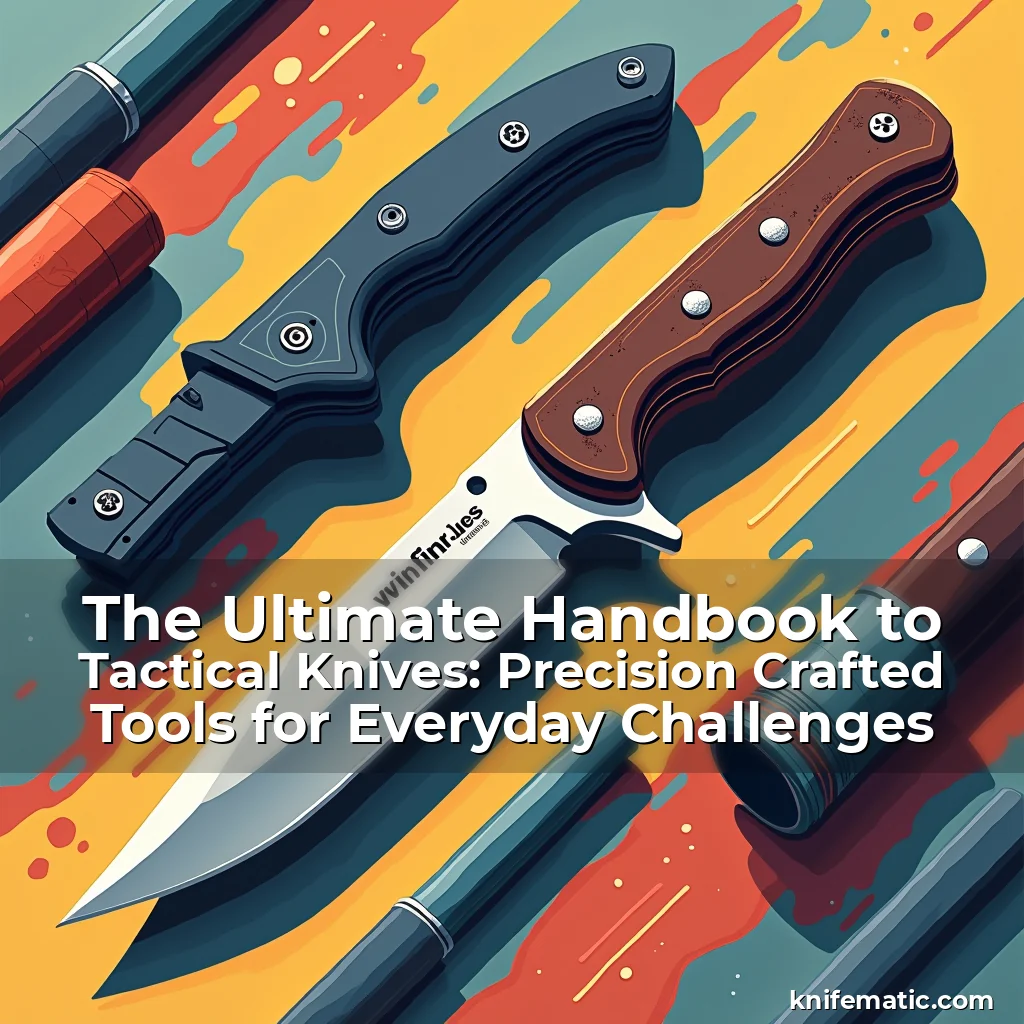
The Ultimate Handbook to Tactical Knives: Precision Crafted Tools for Everyday Challenges
Tactical knives have evolved from simple cutting tools into essential instruments that serve both survivalists and urban professionals alike. Their design is driven by functionality, durability, and adaptability across various environments.
In an age where preparedness meets practicality, understanding the nuances of these specialized blades can transform them from mere accessories into lifesaving equipment during emergencies or daily tasks.
The Evolution of Tactical Knives Through History
The lineage of tactical knives traces back thousands of years when early humans first fashioned crude stone implements for hunting and food preparation. These rudimentary tools laid the groundwork for future advancements in blade technology.
As metallurgy progressed through the ages, blacksmiths began crafting sharper, more durable steel blades suitable for combat scenarios. This transition marked the beginning of knives as weapons rather than purely utilitarian objects.
During World War I and II, military forces recognized the critical role of multi-functional knives in battlefield conditions. The development of the iconic KA-BAR and fighting knife designs epitomized this shift towards specialized military-grade cutlery.
Modern tactical knives now incorporate advanced materials such as titanium alloys and high-carbon steels while maintaining traditional ergonomic principles that prioritize user comfort and efficiency.
- Evolving Materials: From bone handles to aircraft-grade aluminum, material innovations enhance performance and longevity.
- Ergonomic Designs: Contemporary models feature contoured grips optimized for grip security under extreme stress conditions.
- Multifunctionality: Modern iterations often integrate built-in features like bottle openers, seatbelt cutters, and fire starters.
Defining Characteristics That Set Tactical Knives Apart
Tactical knives are distinguished by their robust construction and multifaceted utility. Unlike standard kitchen knives, they are engineered to withstand rigorous use in diverse situations ranging from outdoor expeditions to emergency response operations.
A key attribute is the reinforced full-tang design, which ensures structural integrity even after repeated heavy-duty usage. This characteristic makes them indispensable for tasks requiring significant force application.
The choice between fixed-blade and folding mechanisms depends largely on intended usage patterns. Fixed-blade models offer superior strength but lack portability compared to compact folding variants designed for easy carry.
Safety considerations also play a crucial role; many modern tactical knives include locking mechanisms that prevent accidental deployment during storage or transport.
Core Components and Design Elements
Anatomical analysis reveals several critical components contributing to a knife’s effectiveness. The blade itself must be forged from high-quality steel capable of retaining sharpness over extended periods despite frequent honing requirements.
The handle serves dual purposes – providing secure grip and housing additional functionalities like lanyard holes or integrated tool attachments. Ergonomically shaped handles reduce fatigue during prolonged use sessions.
Pivot systems in folding knives require precise engineering to ensure smooth operation without compromising safety standards. High-end models employ ball-bearing pivots for effortless blade movement and enhanced durability.
Rivets and other fastening elements must exhibit exceptional tensile strength to maintain component cohesion during intense physical demands placed upon the knife.
Selecting the Right Knife Based on Intended Usage
Identifying primary applications helps narrow down options significantly. Outdoor enthusiasts may prefer lightweight carbon fiber handles paired with corrosion-resistant stainless steel blades ideal for wilderness survival scenarios.
Citizens seeking personal protection might opt for concealable folding knives featuring discreet carrying solutions such as belt clips or deep pocket sheaths that remain unobtrusive yet instantly accessible.
Professionals working in hazardous environments benefit from heavy-duty fixed-blade constructions equipped with protective guards against unintended contact injuries.
Evaluating weight distribution becomes vital when choosing between different configurations; optimal balance enhances control and maneuverability regardless of task complexity.
Materials Science Behind Superior Blade Performance
High-performance steels form the backbone of top-tier tactical knives. Grades like AUS8, S30V, and D2 each possess distinct properties influencing edge retention capabilities and wear resistance characteristics.
Carbon content levels determine hardness ratings measured via Rockwell scales. Higher percentages yield tougher edges at the expense of increased maintenance needs due to susceptibility toward rust formation.
Coatings applied to blade surfaces provide added benefits including improved friction reduction for smoother cuts and enhanced corrosion prevention measures particularly beneficial in maritime or humid climates.
Heat treatment processes involve controlled tempering stages ensuring consistent microstructures within metal matrices responsible for overall blade resilience against impact shocks.
Blade Geometry and Its Impact on Functionality
Varying blade profiles cater to specific operational requirements. Drop-point styles excel at piercing activities whereas clip-points favor slicing motions commonly used in field dressing game animals or preparing meals outdoors.
The thickness of the spine affects leverage provided during chopping tasks while thinner sections near the tip facilitate intricate detailing work associated with carving projects or skinning procedures.
Edge geometry determines how well a blade maintains its sharpness over time. Convex edges tend to self-sharpen naturally but require more frequent resharpening efforts compared to flat-ground alternatives offering longer-lasting keenness before needing reconditioning.
Understanding these geometric variations enables users to select knives best suited for particular challenges whether it involves bushcraft applications or close-quarters defense encounters.
Handle Construction Techniques and Material Choices
Grip quality plays an instrumental role in determining usability factors. Natural woods like walnut or micarta composites strike a balance between aesthetics and functional advantages ensuring reliable purchase even when wet or oily.
Manufacturers utilize injection molding techniques to produce synthetic polymer grips characterized by non-slip textures and color-coded markings indicating directional orientation for right-handed vs left-handed individuals.
Traditional methods involving hand-forged rivet assemblies contribute to classic appeal while contemporary CNC machining allows for highly customized ergonomic shapes tailored specifically towards individual preferences.
Regular inspection routines help detect signs of degradation early allowing timely replacement before compromised grip safety becomes a concern during critical moments.
Locking Mechanisms and Safety Features
Effective lockups guarantee safe handling by preventing unwanted blade closure incidents. Liner locks rely on spring-loaded bars securing blade position until manually released whereas frame locks utilize tang-based structures affixed directly onto the knife body.
Folding knives necessitate secure locking mechanisms to avoid catastrophic failures resulting from sudden blade deployment during active engagement situations. Fail-safe designs minimize risks inherent in improper deployment sequences.
Some premium models incorporate ambidextrous thumb studs positioned strategically along either side facilitating quick access for users accustomed to either dominant hand preference without sacrificing speed efficiency gains typically associated with single-sided activation points.
Built-in blade stops prevent overextension beyond safe limits reducing potential damage caused by excessive blade travel during dynamic maneuvers requiring rapid adjustments mid-action.
Accessories and Additional Functionalities
Many tactical knives come bundled with supplementary gear enhancing overall utility value. Sheathes made from Kydex or leather offer versatile mounting options compatible with various carrying methods including hip holsters or MOLLE attachment systems.
Integrated tools such as bottle openers, wire cutters, or glass breakers expand versatility making these knives invaluable assets for everyday carry situations demanding quick solutions amid unexpected circumstances.
Emergency whistle attachments prove especially useful in rescue scenarios enabling long-distance signaling capabilities critical during search-and-rescue missions conducted in remote locations devoid of cellular network coverage.
Customizable add-ons allow owners to personalize their knives according to changing needs ensuring continued relevance across evolving usage contexts spanning recreational pursuits through professional responsibilities.
Proper Maintenance Practices for Longevity
Maintaining peak condition requires regular cleaning cycles removing debris accumulation that could compromise blade integrity or affect mechanism reliability over time. Wiping down surfaces post-use prevents buildup issues leading to premature deterioration.
Lubrication protocols vary depending on environmental exposure levels; lighter oils suffice for indoor settings while heavier greases protect moving parts subjected to harsh weather elements frequently encountered outdoors.
Honing practices using whetstones preserve edge acuity by realigning microscopic irregularities formed through routine sharpening processes keeping blades performing optimally even after extensive usage durations.
Periodic inspections identify worn components needing replacement before failure occurs ensuring uninterrupted service availability whenever critical intervention becomes necessary.
Training and Skill Development for Effective Utilization
Mastering fundamental skills through structured training programs equips individuals with confidence and competence required to wield tactical knives proficiently in varied situations. Basic instruction covers safe handling techniques emphasizing controlled movements minimizing injury risks.
Advanced courses delve deeper into specialized applications including survival tactics employing knives for shelter building, water purification, or signal creation in isolated environments lacking conventional resources.
Simulated drills replicate real-world challenges helping participants refine reflex responses under pressure improving decision-making abilities crucial during high-stress encounters demanding immediate action without hesitation.
Ongoing education reinforces knowledge retention through periodic refreshers addressing emerging trends shaping current practices within the ever-evolving landscape surrounding knife craftsmanship and application methodologies.
Legal Considerations Across Jurisdictions
Navigating legal frameworks governing weapon possession varies widely among regions necessitating thorough research prior to acquiring any blade classified under restricted categories within local regulations.
Carrying laws differ substantially based on geographical location; some areas permit concealed weapons while others impose strict limitations restricting public display unless explicitly authorized by law enforcement agencies.
Age restrictions apply universally though specific thresholds fluctuate regionally affecting eligibility criteria for obtaining permits granting lawful ownership rights over certain types of edged weaponry.
Staying informed regarding policy changes remains imperative since legislative updates occasionally modify existing statutes impacting permissible parameters concerning knife acquisition and usage guidelines.
Community Engagement and Knowledge Sharing
Participation in enthusiast forums fosters peer-to-peer learning experiences where seasoned practitioners share expertise gained through hands-on experimentation cultivating collective wisdom benefiting newcomers entering this niche domain.
Workshops organized by industry experts provide immersive opportunities mastering technical aspects related to blade selection, maintenance routines, and skill enhancement strategies applicable across broad spectrum of interest groups.
Competitive events promote healthy rivalry encouraging continuous improvement aspirations driving innovation forward pushing boundaries defining excellence benchmarks achievable within contemporary practice standards.
Collaborative initiatives between manufacturers and end-users stimulate product development trajectories aligning production outputs closer to consumer expectations thus reinforcing market relevance through sustained dialogue channels maintained consistently over time.
Conclusion
Tactical knives represent far more than mere tools; they embody centuries-old traditions merged seamlessly with cutting-edge technologies creating unparalleled solutions tailored precisely towards meeting complex modern-day demands.
Whether utilized for recreation, self-defense, or professional duties, selecting appropriate models aligned closely with personal objectives combined with diligent upkeep ensures lasting satisfaction derived from owning exceptionally crafted pieces capable of rising reliably to every challenge presented throughout life’s journey.

news is a contributor at KnifeMatic. We are committed to providing well-researched, accurate, and valuable content to our readers.