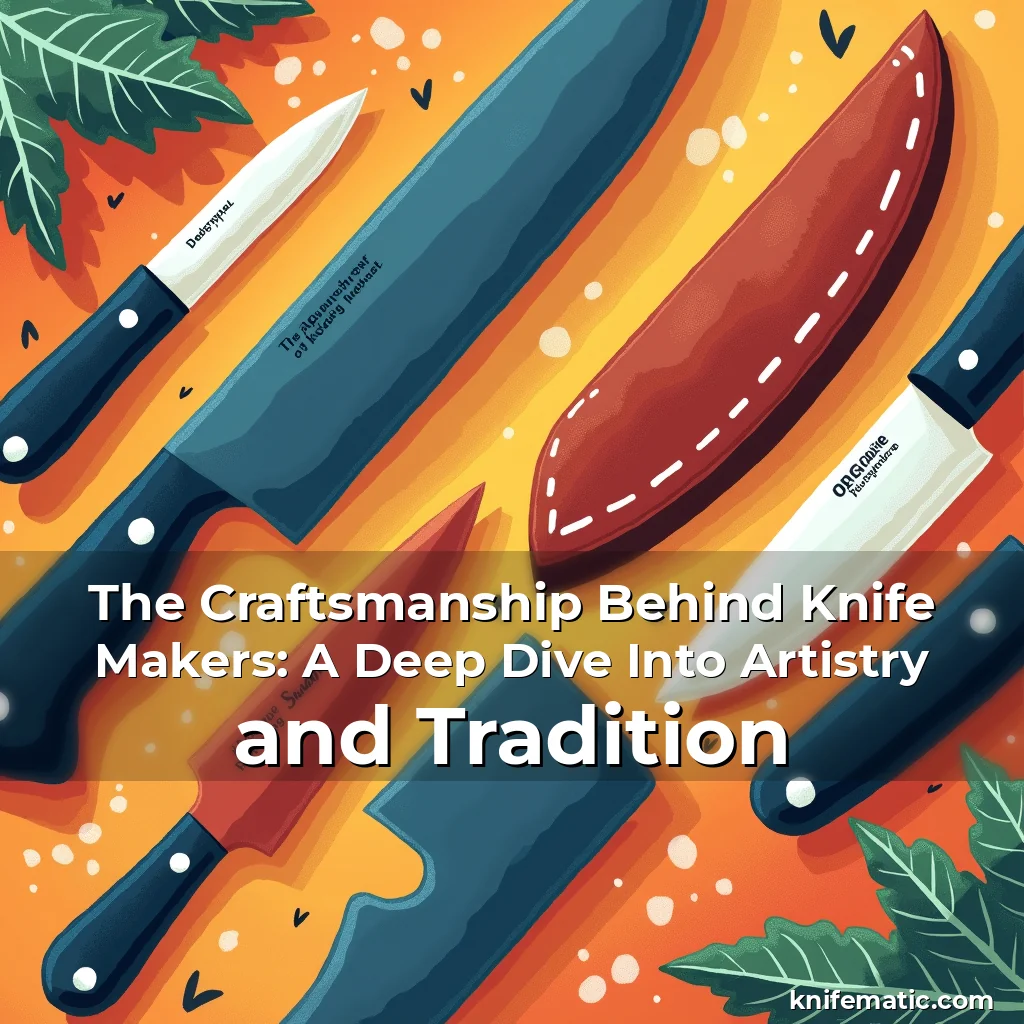
The Craftsmanship Behind Knife Makers: A Deep Dive Into Artistry and Tradition
In the world of knives, where functionality meets artistry, knife makers stand as artisans who transform raw materials into tools that are both utilitarian and beautiful. These craftsmen have honed their skills over generations, creating blades that serve practical purposes while also embodying the spirit of tradition and innovation.
Knife making is not merely a trade; it’s an intricate blend of science and creativity. From selecting high-quality steel to shaping each edge with precision, every step reflects dedication to excellence. This article explores the legacy of knife makers, delving into their techniques, history, and impact on communities around the globe.
The Evolution of Knife Making Through History
The origins of knife making can be traced back thousands of years, rooted in human necessity and ingenuity. Early civilizations crafted rudimentary blades from flint, stone, and bone, essential tools for survival and daily life. As societies advanced, so did their methods of crafting knives, leading to significant innovations that shaped modern metallurgy.
During ancient times, blacksmiths played a crucial role in developing early metalworking techniques. They learned to forge iron and later steel, which allowed for stronger, sharper blades. These advancements laid the groundwork for future generations of knife makers who would refine these processes further.
The Middle Ages marked a pivotal era for knife making, particularly in Europe. With the rise of knights and warriors, demand surged for durable weapons and cutting instruments. This period saw the emergence of specialized blade-making guilds that established standards for quality and craftsmanship.
- Metal Alloys: Innovations in alloy composition during the Industrial Revolution led to the development of stainless steel, significantly improving corrosion resistance and durability in knives.
- Forging Techniques: Traditional forging methods evolved alongside technological advances, allowing for greater control over blade geometry and performance characteristics.
The transition from hand-forged blades to machine-made ones began in earnest during the late 19th century. While industrialization increased production capabilities, many artisanal knife makers resisted change, valuing handmade integrity over mass-produced efficiency.
Despite mechanization, certain regions retained their reputation for exceptional knife craftsmanship. For instance, Japanese sword smiths continued refining their techniques, producing renowned blades known for their balance and sharpness even after centuries of refinement.
Modern-Day Knife Makers: Balancing Tradition and Innovation
Today’s knife makers operate at the intersection of heritage and contemporary design. Many still employ traditional forging techniques passed down through generations, while others embrace new technologies such as CNC machining and laser engraving to enhance customization options.
Artisan knife makers often prioritize using premium materials sourced globally—ranging from Damascus steel to exotic hardwood handles—to create bespoke pieces tailored to individual preferences. This commitment to quality ensures that each creation remains distinctive yet functional.
The digital age has transformed how knife makers engage with customers worldwide. Online platforms allow direct interaction between craftspeople and enthusiasts, fostering global appreciation for fine blade work without geographical limitations.
Digital Influence on Contemporary Knifemaking Practices
With e-commerce booming, independent knife makers now reach audiences far beyond local markets. Social media enables visual storytelling through videos showing entire creation processes—from initial sketches to final polish—which educates viewers about the complexity involved in making a single knife.
Moreover, online forums provide spaces where seasoned professionals share knowledge freely among peers across different countries. Such exchanges promote continuous learning and help preserve time-honored practices amidst rapid technological changes.
Notable Figures in Knifemaking History
Throughout history, several individuals have left indelible marks on knifemaking culture. One prominent figure was William Henry, an American bladesmith whose innovative approach combined aesthetics with performance features never before seen in civilian-grade cutlery.
Henry’s designs emphasized ergonomics and weight distribution, setting benchmarks that influenced countless other manufacturers. His influence persists today within various subcultures dedicated specifically towards appreciating his contributions through events like knife shows featuring replicas or original works inspired by him.
Another influential name comes from Japan: Masayuki Takeda, famous for pioneering modern interpretations of classic daisho sets used historically by samurai warriors. He adapted traditional construction styles into more accessible formats suitable for everyday users seeking authentic experiences.
- Cultural Significance: Both Henry and Takeda exemplify how personal flair can elevate ordinary objects into cultural icons appreciated universally regardless of regional backgrounds.
- Educational Impact: Their legacies extend beyond mere products; they’ve motivated numerous apprentices eager to learn under master instructors who continue passing along invaluable lessons learned firsthand from these legends themselves.
In addition to Western influences, there exists rich diversity among non-Western cultures contributing uniquely diverse perspectives enriching our understanding what constitutes great craftsmanship irrespective geographic origin.
For example, in Africa, tribal knife makers utilize indigenous materials like animal horn and natural fibers incorporated into handle designs reflecting deep connections between people land traditions—an aspect rarely replicated elsewhere outside those very communities.
Techniques Used By Professional Knifemakers Today
Professional knifemakers utilize various sophisticated methodologies depending upon desired outcomes whether focusing purely utility versus decorative elements equally valued amongst collectors alike.
One widely respected method involves differential hardening—a technique originating from Japan wherein varying temperatures applied during quenching process result distinct hardness levels across blade surface ensuring optimal flexibility strength combination critical achieving superior edge retention qualities.
This meticulous procedure requires precise temperature controls achieved via specialized ovens capable maintaining consistent heat distribution throughout entire heating cycle thus preventing warping distortions detrimental overall structural integrity.
The Science Behind Blade Hardness And Sharpness
Understanding material properties plays fundamental role determining effectiveness any given tool including knives. Carbon content level dictates toughness brittleness factors influencing eventual usability lifespan product.
High carbon steels offer excellent edge retention capabilities however may prone cracking under extreme stress conditions unless properly treated post fabrication stages involving tempering steps necessary reduce internal stresses developed during initial forging phases.
Lower grade alternatives typically found inexpensive retail stores sacrifice longevity convenience sake though some consumers prefer them due lower cost associated acquiring basic necessities rather investing expensive custom-built items requiring maintenance care routines unfamiliar novices might find intimidating initially.
Additionally considerations must made regarding grain structure formed through controlled cooling rates following hot working operations affecting microstructure visible under magnification revealing patterns indicative underlying metallurgical characteristics impacting wear resistance performance metrics evaluated professional testing environments.
To ensure consistency reliability output most reputable brands implement rigorous quality assurance protocols verifying compliance specifications prior releasing market thereby minimizing risks defects occurring unexpectedly post-purchase scenarios potentially damaging reputations built decades diligent attention detail craftsmanship.
Community Engagement Amongst Enthusiasts Of Handcrafted Blades
A thriving ecosystem surrounds passionate followers interested preserving promoting handcrafted blade arts through organized gatherings showcasing latest creations celebrating achievements milestones reached members active participation within niche circles fostering camaraderie shared interests.
Knife shows represent prime examples venues bringing together experts amateurs exchanging ideas demonstrating expertise via live demonstrations highlighting skillsets required mastering complex procedures involved manufacturing top-tier products appreciated broadly across demographic spectrums ranging hobbyists serious collectors willing pay substantial sums obtain rare limited edition releases.
Beyond physical events virtual communities flourish cyberspace offering additional avenues collaboration resource sharing. Forums podcasts YouTube channels contribute immensely spreading awareness educating public nuances distinguishing genuine handcrafted pieces inferior imitations mass produced counterparts lacking soul character inherent true handmade goods.
Online Communities That Support Knife Enthusiasts Worldwide
Websites dedicated exclusively knife topics feature vibrant discussions covering everything historical context modern trends safety precautions proper usage guidelines encouraging responsible ownership emphasizing importance treating these powerful implements respectfully mindful potential hazards improper handling could lead severe injuries requiring medical intervention.
Social networking sites facilitate real-time interactions among global participants enabling cross-cultural exchanges expanding horizons exposing users previously unknown traditions customs practiced distant corners planet enriching collective knowledge base available readily accessible anytime anywhere internet connection allows access information resources otherwise unavailable locally.
These networks also serve educational purposes providing tutorials guides helping beginners grasp foundational principles gradually building confidence competence necessary eventually attempting projects oneself under supervision experienced mentors guiding progress ensuring safe successful completion tasks undertaken independently later stages development journey becoming proficient practitioner field.
Furthermore mentorship programs exist pairing aspiring makers established masters facilitating transmission knowledge techniques refined years cultivating next generation stewards carrying forward legacy excellence upheld predecessors through relentless pursuit perfection craft itself.
Preserving Traditions In An Age Of Mass Production
As consumer demand increasingly favors affordable solutions prioritizing immediate gratification over long-term investment values, concern arises regarding erosion traditional skills threatened extinction caused neglect declining numbers practitioners devoted sustaining ancestral wisdom embedded deeply within fabric society.
However initiatives aimed revitalization efforts gain momentum driven passion advocates recognizing urgency protecting intangible assets representing cultural heritage identities worth safeguarding against homogenization forces globalization impose uniformity erasing uniqueness distinctions once celebrated pride sources communal belonging.
Governments organizations collaborate implementing policies supporting preservation programs granting financial incentives tax benefits encouraging young entrepreneurs pursue careers related trades instead opting conventional employment routes perceived stable secure futures despite uncertainties surrounding viability small-scale enterprises competing giants industry standardization protocols dictate minimum acceptable quality thresholds difficult meet sustainably without compromising core values authenticity defining essence artisanal productions.
Education institutions play vital roles integrating curricula incorporating hands-on training workshops exposing students tangible experiences applying theoretical concepts practically reinforcing comprehension strengthening aptitude abilities necessary thrive competitive landscape demanding multifaceted competencies spanning technical artistic domains simultaneously.
By fostering environments conducive nurturing talent discovery opportunities emerging voices capable reimagining classical forms adapting contemporary contexts without sacrificing integrity original intent behind creations born out love mastery medium chosen expressing self creatively effectively communicating messages intended recipients interpret accurately according to designer’s vision.
Choosing The Right Knife Maker For Your Needs
Selecting appropriate knife maker depends largely upon personal requirements considering factors such purpose intended use style preference budget constraints availability proximity services offered by particular vendors available regionally or nationally depending location accessibility logistics involved sourcing purchasing delivering completed item destination safely securely without damage occurred transit.
Research becomes essential component decision-making process evaluating credentials portfolios testimonials reviews obtained from reliable third-party verification agencies certifying legitimacy claims made about qualifications experience possessed individuals claiming responsibility producing said wares marketed publicly advertised commercially.
Visiting local shops attending exhibitions provides firsthand exposure sampling variety products presented side-by-side comparing differences distinguishing features aiding informed judgments based objective assessments rather relying solely subjective impressions derived limited images descriptions provided remotely digitally.
Engaging directly with creators offers unparalleled insight understanding motivations behind choices made designing constructing final piece giving perspective appreciation effort invested transforming simple components intricate works worthy admiration respect earned through dedication perseverance exhibited throughout lengthy arduous journeys undertaken perfecting craft continually striving achieve higher standards excellence consistently.
Conclusion
The world of knife makers is a fascinating tapestry woven from threads of tradition, innovation, and community engagement. From ancient blacksmiths to modern-day artisans, these craftsmen have continuously pushed boundaries in their quest for perfection and beauty.
Whether you’re a collector, enthusiast, or simply curious about the intricacies of knifemaking, supporting these skilled individuals helps preserve a rich heritage that continues to inspire and captivate people around the globe. By choosing handmade knives over mass-produced alternatives, we honor the legacy of knife makers and ensure their stories endure for generations to come.